Working together to reduce the environmental impact of clothes & textiles
Did you know?
-
The fashion industry is estimated to produce 10% of global carbon emissions*, yet only 31% of people in Ireland recognise the link between buying textiles and climate change.
-
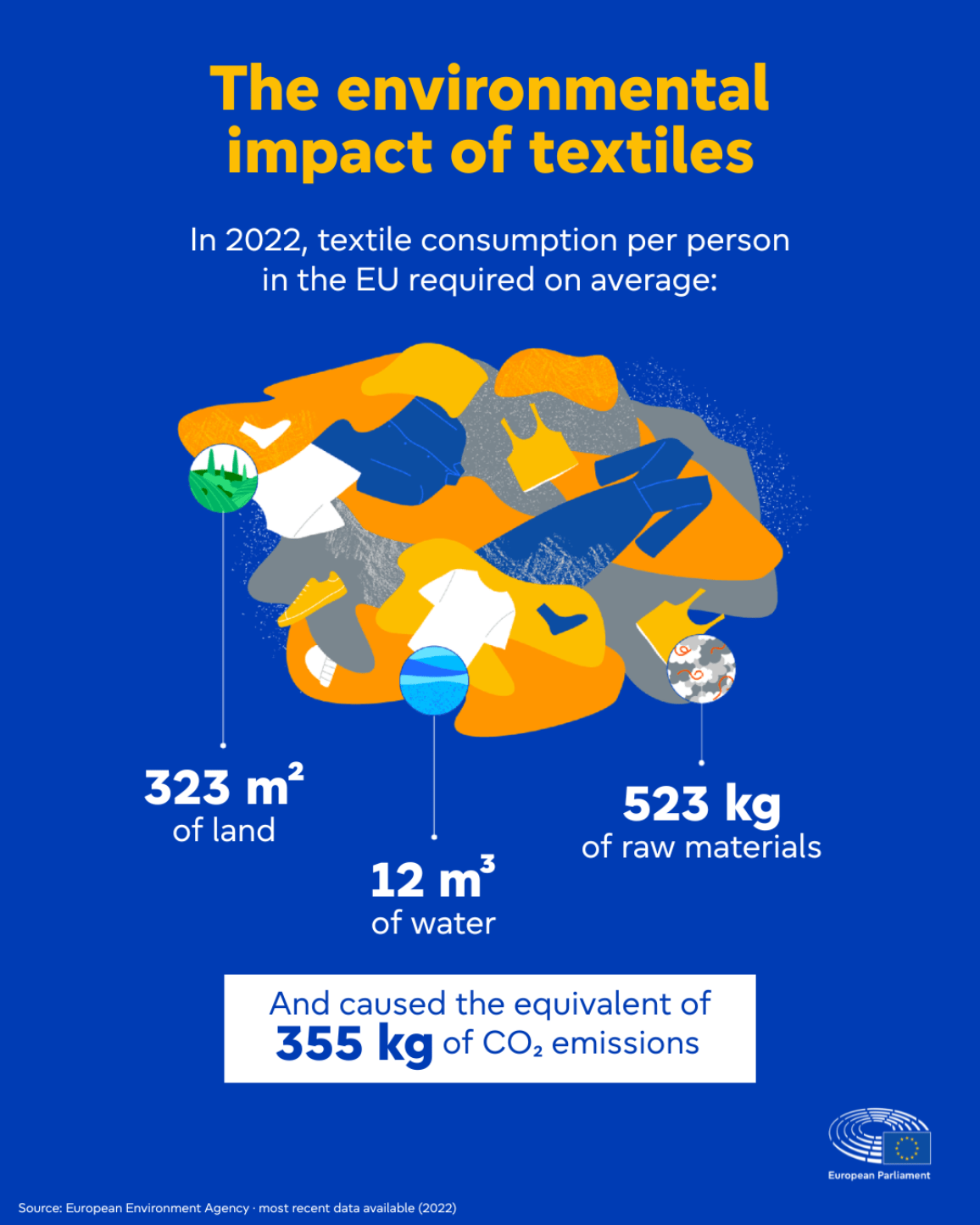
Textiles (including clothing) have the fourth biggest impact on climate change, after food, housing and transport.
-
Over 100 billion new clothing items are produced every year, but less than 1% of materials are recycled into new clothing.
-
Research from the Environmental Protection Agency (EPA) shows that textiles, including clothing and household items, make up 9% of general waste bin contents.
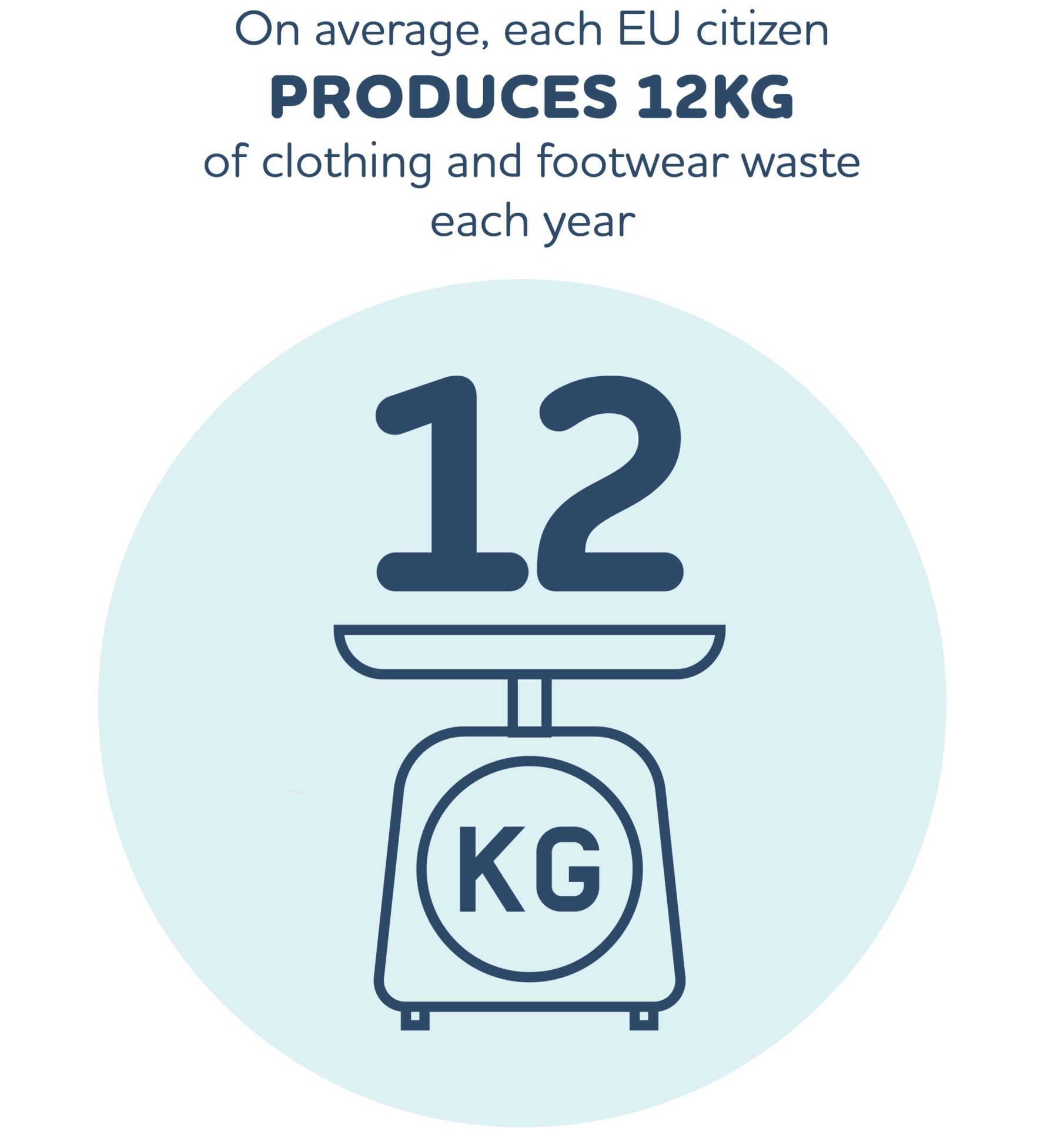
Textile consumption in the EU rose from 17kg per person in 2019 to an average of 19kg per person in 2022—enough to fill a large suitcase. At the same time, around 12kg of clothing per person is discarded each year.
The Government is tackling fast fashion and textile waste through a new policy statement and roadmap, shaped by stakeholders across the textile sector.
It sets out ambitious actions to promote circular design—so textiles last longer and are easier to reuse, repair and recycle—alongside improved labelling under EU eco-design rules.
Together, these measures will ensure textiles placed on the EU market are designed from the start to reduce waste and maximise sustainability.
How much textiles do we waste,
reuse and recycle in Ireland?
We discard around 110,000 tonnes of textiles as waste every year and nearly all are processed via waste-to-energy plants or landfill.
64,000 tonnes of textiles are thrown out in household bins each year—mostly clothing (42,000 tonnes)—making it the largest source of textile waste.
57,000 tonnes are collected separately through textile banks, commercial collections and charity donations.
Of these, 44,500 tonnes are reused—6% in Ireland and 21% exported.
1,500 tonnes are reused through vintage and online resale. are reused through vintage and online resale.
15,000 tonnes are recycled into rags, fibre and other materials.
Give your clothes a second life
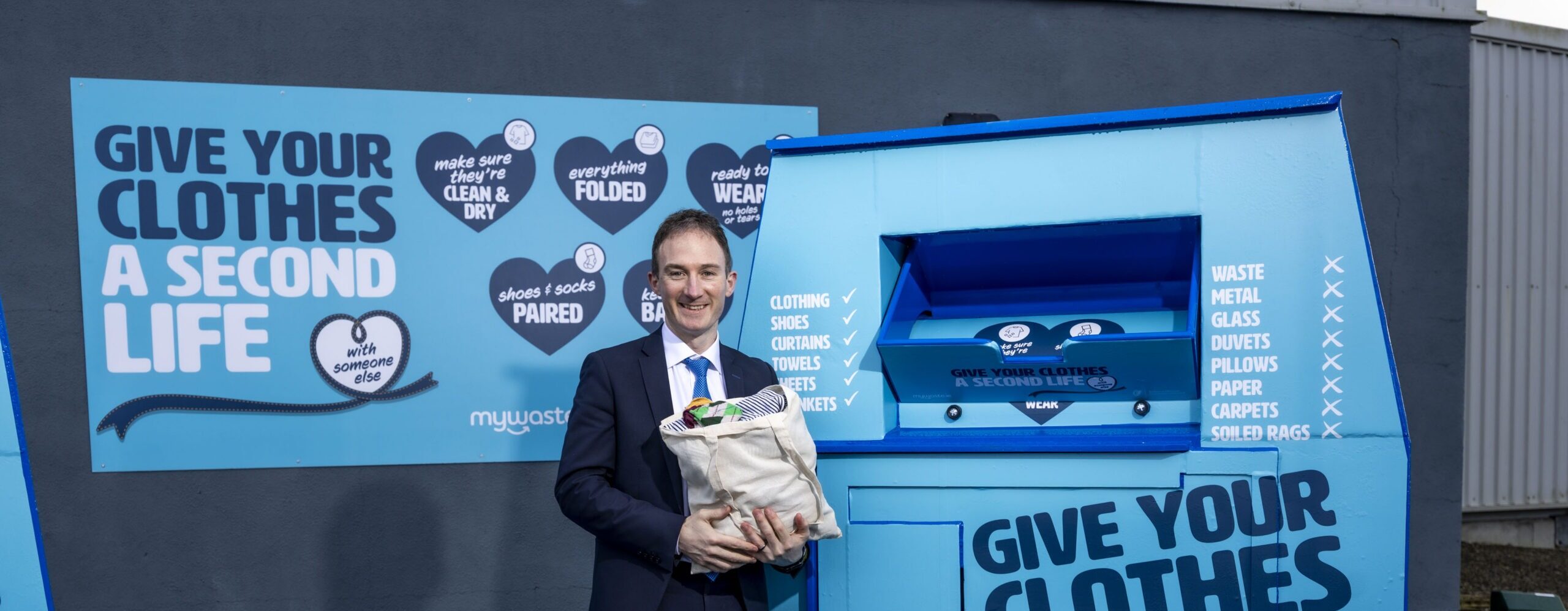
Since January 2025, Ireland has been required to provide separate collection for unwanted textiles. This is delivered through a nationwide network of clothes banks and charity shops.
But before you visit a clothes bank or charity shop, do you know how to prepare your clothes to give them the best chance of being reused?
Sort
Clothing, textiles & accessories should be taken to clothes banks or charity shops if they are suitable for reuse – this means they shouldn’t be ripped, stained, or damaged.
Fold or roll your clothes
Put them in a bag to further protect them. Remember when using the clothes banks the openings are relatively small so use paper/plastic shopping bags rather than larger bin liners.


Pairing & tying
During the transit stage items will get mixed and moved about so paring things like socks and gloves, tying the laces to pair shoes or using a ribbon or rubber band reduces the opportunity for these types of items to get lost or damaged in transit.
Where to find your nearest donation point
Have clothes you no longer need? Find nearby donation points and learn how to give your clothes a second life.
Visit Map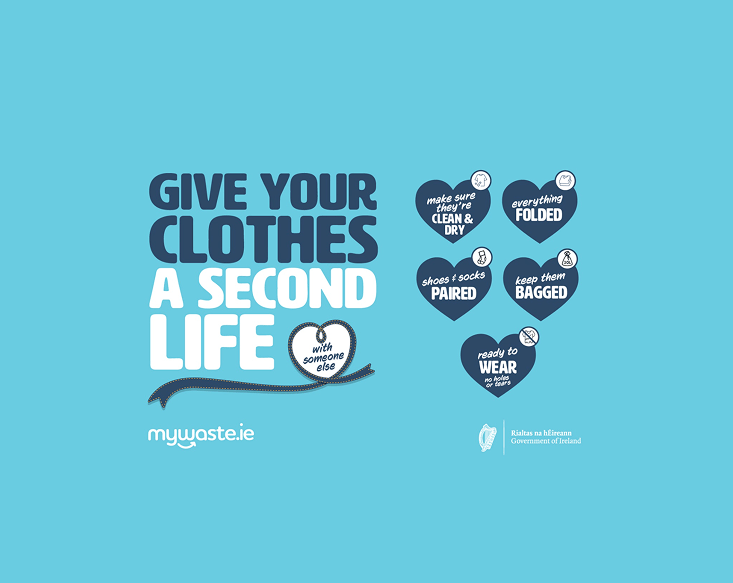
What are my options to donate used or unwanted textiles?
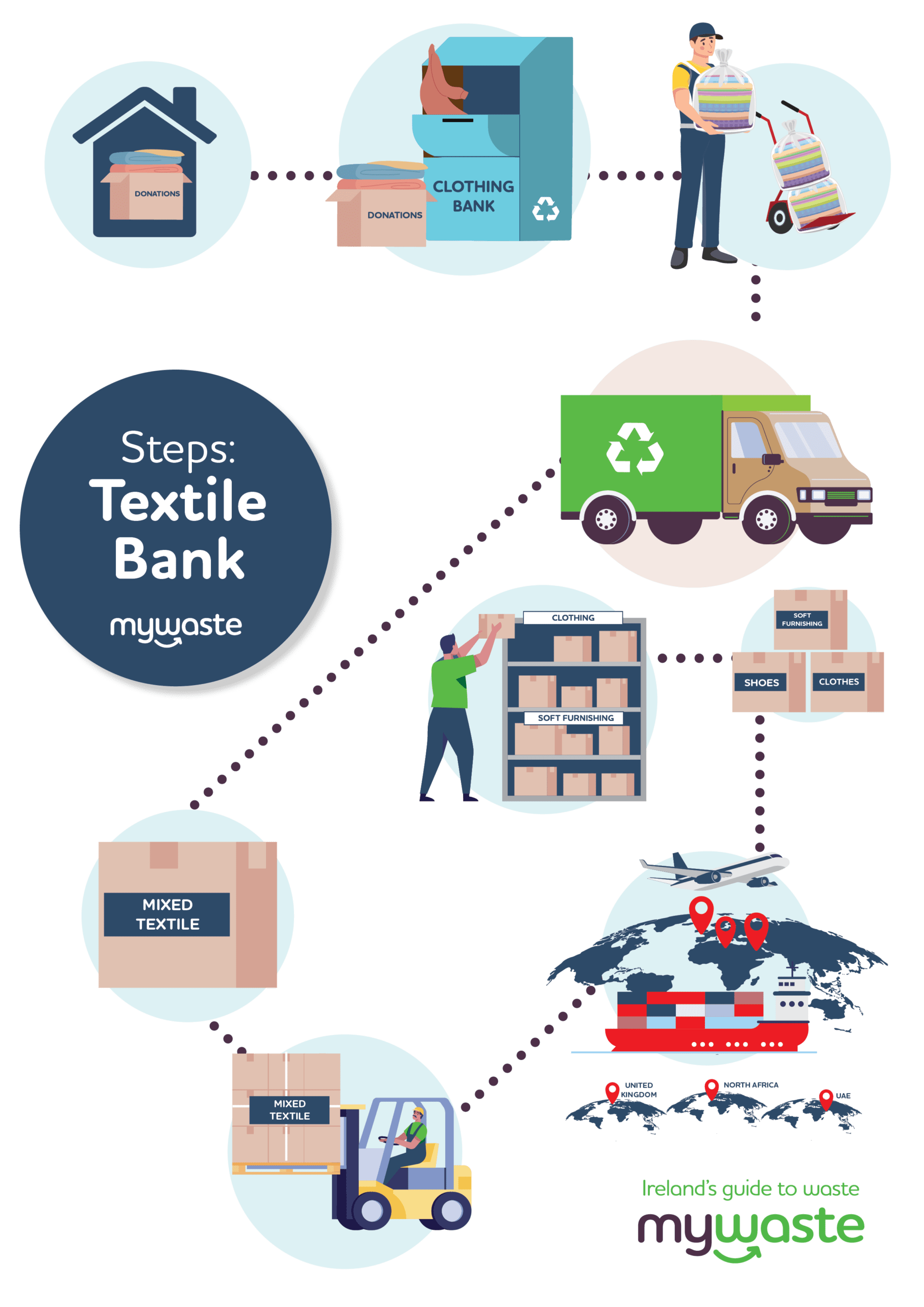
Clothes bank
- If linked to a charity, items may be sold in shops or passed to textile collectors.
- Textiles are sorted for reuse.
- Items may be reused locally or exported for reuse or recycling.
- Clothes banks are generally located in public spaces sometimes alongside bottle banks. Alternative locations include retail car parks and sportsgrounds. All civic amenity sites accept clothes & household textiles and these sites generally have large containers to accept these materials.
Charity shop
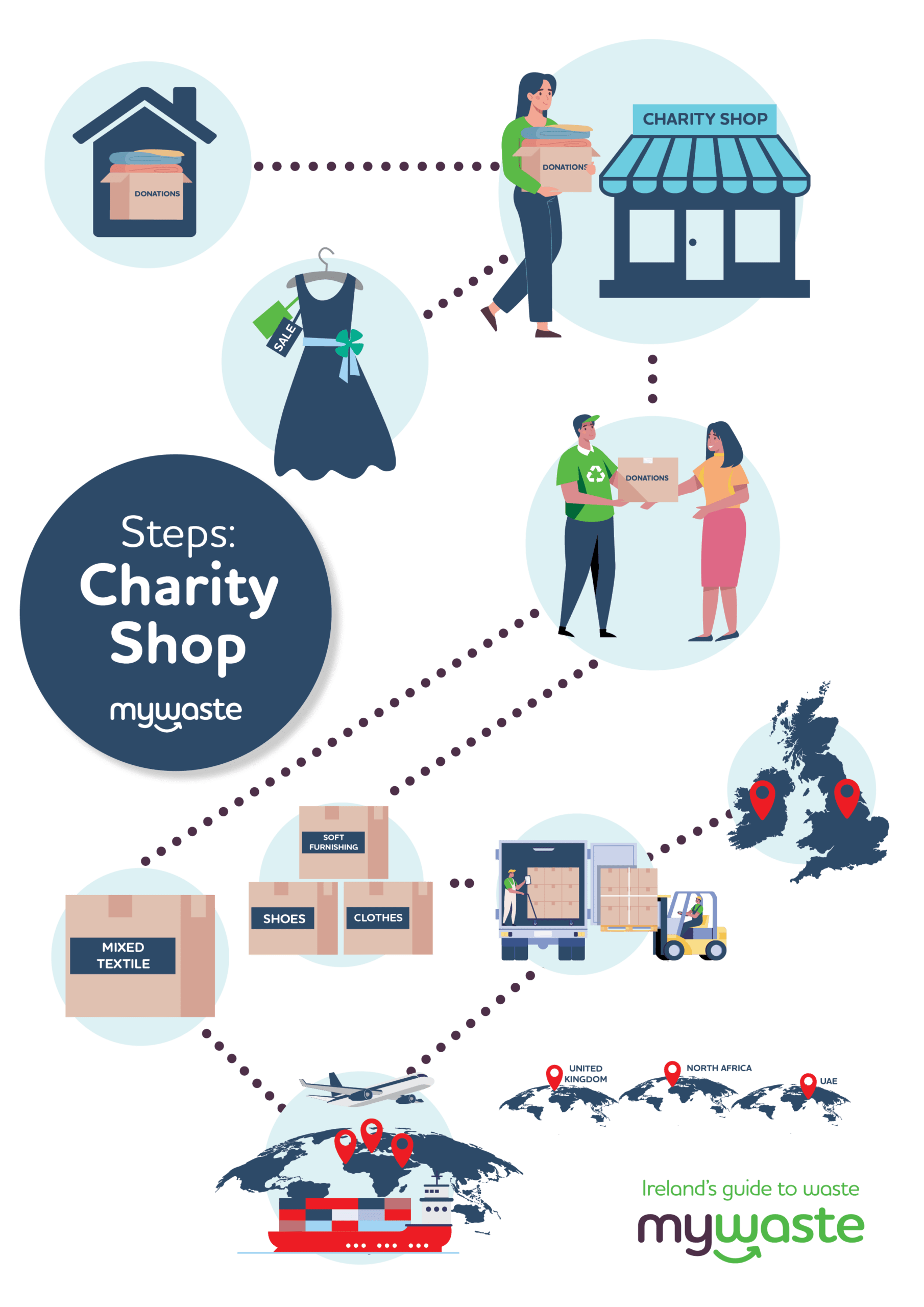
- Items are sorted by hand
- Most are put on sale
- Profits support the charity
- Unsold items may go to textile collectors
- Damaged items may be reused as rags
More reuse options for your clothes
Clothes swaps
Swapping clothes with friends, family or colleagues is a simple, free way to extend their life.
Why not host a swap at work, school or in your community? Many local authorities offer “Swapping Packs” (rails, hangers and mirrors) on loan—contact your local Environment Section to learn more.
Online resale and free platforms
Selling or sourcing pre-loved clothes online is increasingly popular. Platforms like Depop and Vinted make it easy to buy and sell second-hand fashion.
Sites like Facebook Marketplace and Adverts.ie are also widely used, especially for household textiles and children’s clothing.
Community Clothing Drives – “Cash for Clobber”
Many clubs & schools organise clothing drives by encouraging their members and the local community to donate unwanted clothing. This material is collected by a textile recycling company and the school or club generally receives a payment for the quantity of material collected.
Oxfam Post Back
Oxfam Ireland has partnered with An Post on the ‘PostBack’ initiative, making it easier than ever to donate pre-loved clothes in three simple steps while supporting global efforts to tackle poverty and inequality.
Learn More
Reverse The Trend – Buy Less – Rewear – Share
Think about what you really need, the next time you want to buy something to wear.
Learn More